Vendor Not Filed GSTR-1? Here’s How to Protect Your ITC
Vendor non-filing is the #1 cause of ITC loss. Learn how to identify defaulting vendors, what Rule 37A means for your business, and exactly how to follow up.
You bought the goods, paid the invoice in full, and recorded it perfectly in your Purchase Register. But when the 14th of the month rolls around, the invoice is completely missing from your GSTR-2B statement.
The diagnosis is simple but painful: your vendor has not filed their GSTR-1.
Vendor non-filing is the number one cause of Input Tax Credit (ITC) loss for Indian businesses. In this guide, we will explore why this happens, how to handle it legally under Rule 37A, and how to catch defaulters instantly.

Why Vendor Non-Filing is the #1 ITC Risk
Under Section 16(2)(aa) of the CGST Act, you are legally prohibited from claiming ITC unless the supplier has uploaded the invoice and it appears in your auto-generated GSTR-2B.
When a vendor fails to file their return, that ITC becomes blocked. For a mid-sized business, a few negligent vendors can easily result in lakhs of rupees in blocked working capital. You are essentially paying the tax twice — once to the vendor, and once to the government in cash because you couldn't offset it with ITC.
How to Identify Defaulting Vendors
You cannot chase vendors if you don't know who they are. The first step is to run a rigorous monthly reconciliation between your Books and your GSTR-2B.
In your reconciliation report, you are looking for invoices categorized as "Only in Books". These are the danger items.
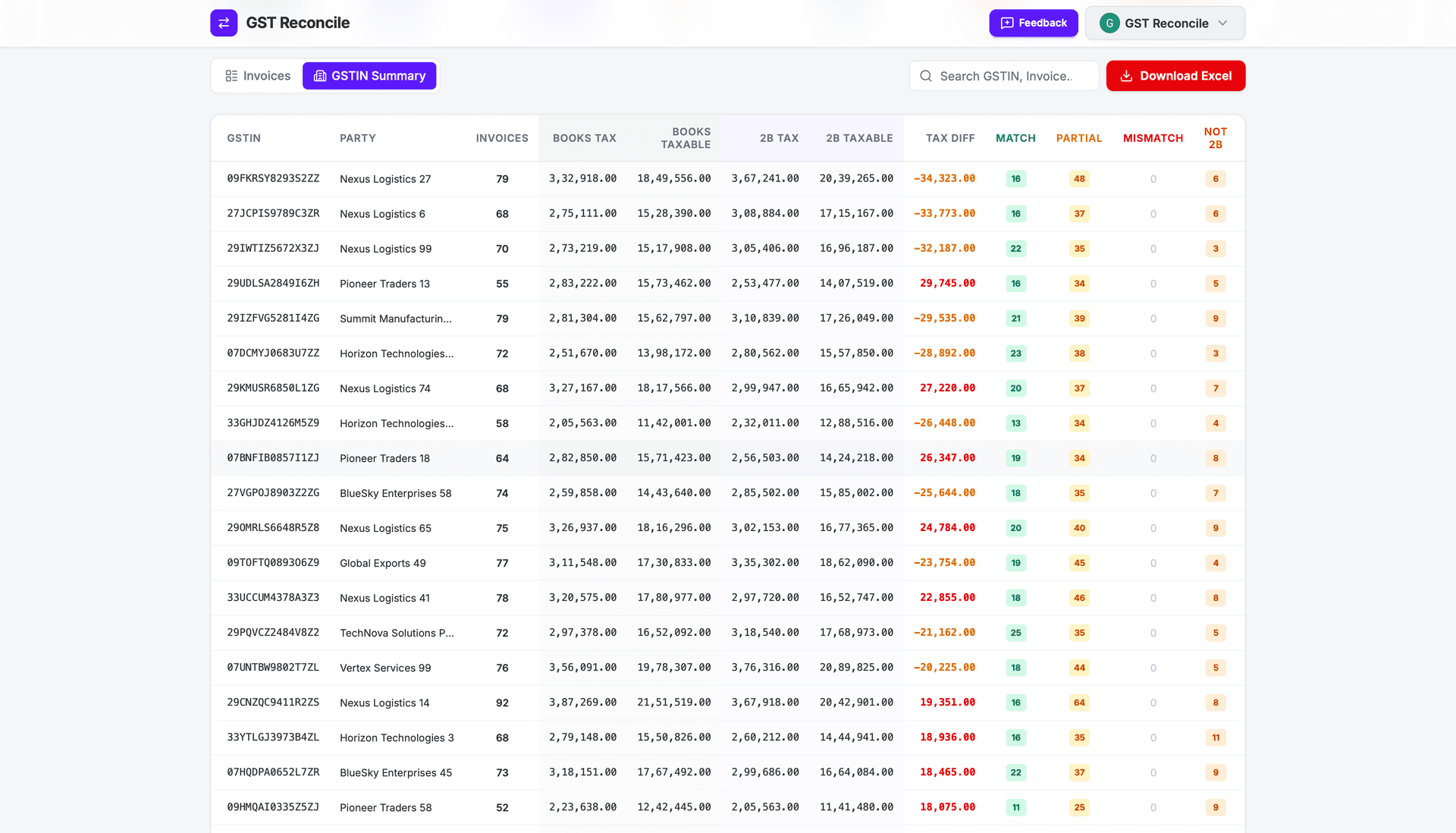
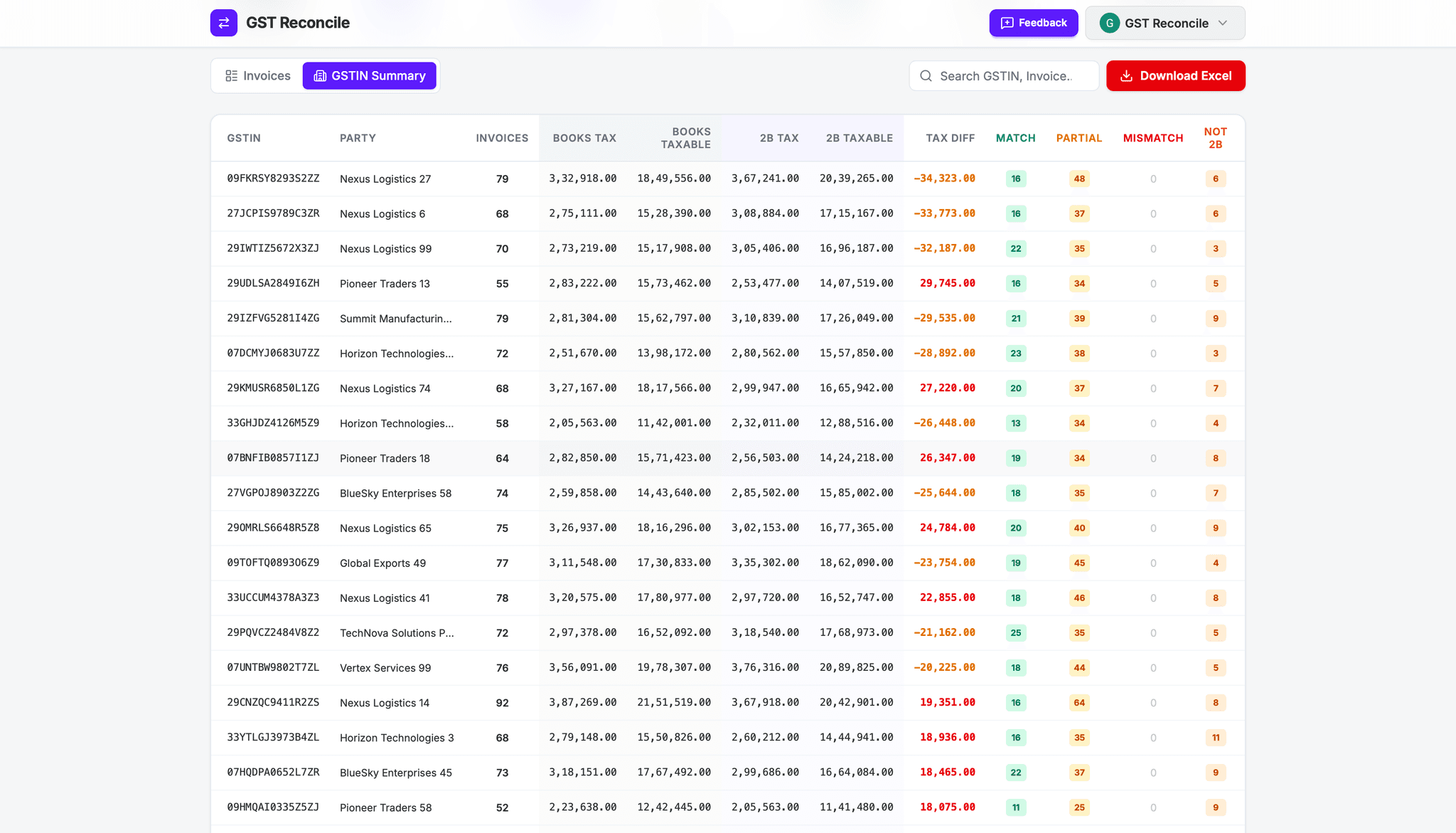
Instead of filtering row by row in Excel, generate a GSTIN-wise summary report. This aggregates all missing invoices by vendor GSTIN, giving you an immediate follow-up list sorted by rupee exposure.
Exact Email Template for Vendor Follow-Up
Once identified, contact the vendor immediately before the GSTR-3B filing deadline. Copy and paste this template directly:
What Rule 37A Says About ITC Reversals
The government introduced Rule 37A to tighten vendor compliance. This rule places the burden strictly on the buyer.
If you claimed ITC on an invoice, but your vendor fails to file their GSTR-3B (and pay the tax) by the 30th of September of the following financial year, you are legally required to reverse that ITC.
Timeline: Reverse voluntarily before 30 November and lose only the principal. Miss that window and the department demands the reversal plus 18% penal interest.
When and How to Reverse ITC in GSTR-3B
If September is approaching and the vendor has not responded, declare the reversal in Table 4(B)(2) — "Others" of your GSTR-3B.
The silver lining: if the vendor eventually files, you can reclaim the exact amount in Table 4(A)(5) and report it in Table 4(D)(1) of the GSTR-3B for that later month.
Frequently Asked Questions
Can I withhold payment if a vendor doesn't file GSTR-1?
Yes. Many businesses now add a clause in vendor contracts allowing them to withhold the GST component of payment until the invoice successfully reflects in their GSTR-2B.
What is the deadline for a vendor to file GSTR-1?
For monthly filers, the deadline is the 11th of the subsequent month. If they miss this, the invoice shifts to the next month's GSTR-2B.
How do I quickly find all missing vendor invoices?
Use an automated tool like GST Reconcile. Upload your data and it instantly generates a GSTIN-wise summary of all vendors who haven't filed, saving hours of manual checking.
Stop Chasing Vendors Manually
Identifying defaulting vendors shouldn't take hours of Excel filtering. Upload your Purchase Register and GSTR-2B — the system will instantly highlight every "Only in Books" invoice and group them by vendor GSTIN, giving you an immediate follow-up list.
Reconcile Your GSTR-2B Free
No VLOOKUP gymnastics. No data stored on external servers.
Works with Tally, Busy & ClearTax. Up to 99.99% accurate.
No signup required · ₹450+ Cr ITC Saved · 12.5M+ Invoices Matched